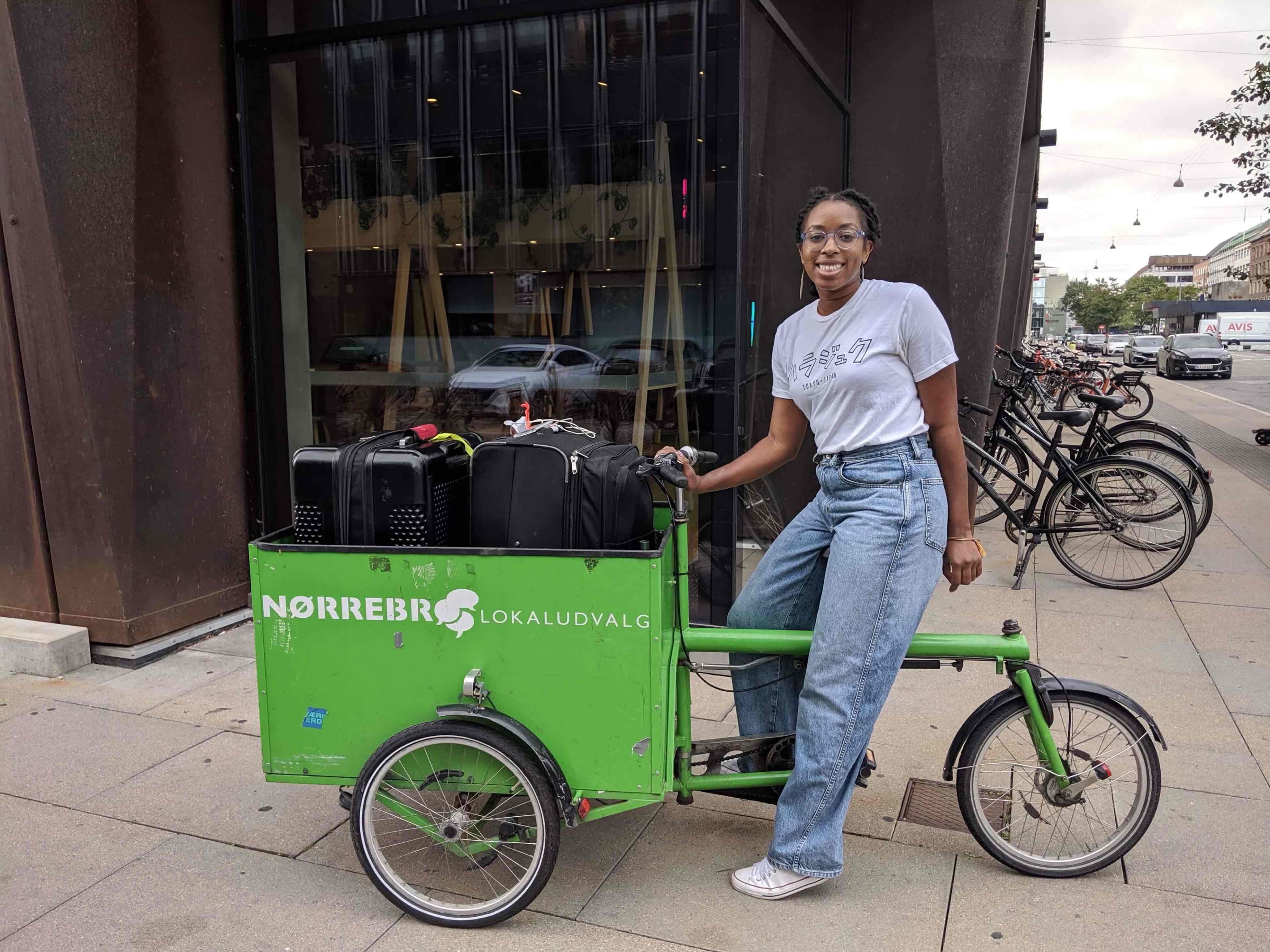
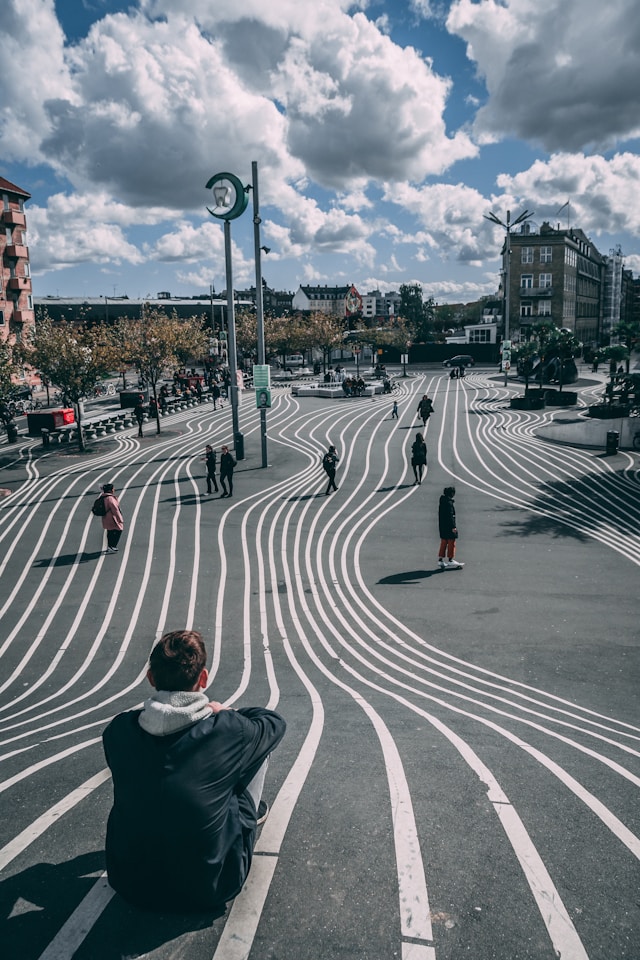
Hi Everyone! In architecture there's a term called value engineering. It's basically when the client dreams big and wants to see all the possibilities. Honestly, it's my favorite part of design. It's as if you know there's a budget, but for a little while it doesn't exist. From a building and site standpoint, landscape design is the first to go. The part everyone sees before they ever come inside. It gets reduced down to grass or gravel. Inside, any corridor that has thoughtful moments gets funneled down to the main lobby. If only people could see what we want to design, and then see what we actually get a budget for. The gap between what we imagine and what we build is where a city's character lives or dies. As many of you know, I spent six months living in Denmark, and I went partly because at the time it was "the happiest place on earth." The architecture and public spaces are top tier. I was broke. I was making $200 USD a month. But the environment made me happy. What I didn't understand yet was that the happiness was built on trust: in each other, in government, in a city that treats the commons as something worth investing in. It was a place where the art and the street and the civic space all felt like one thing. I saw a version of that here once. I worked on Baltimore City's Druid Hill Pool Aquatic Center at a previous firm, and we used the 1% for arts on it. It was my first time ever working with an artist. It was fun and collaborative. It made me think: why don't we include artists as consultants on more projects across the city at the beginning of a project? And why as architects aren't we advocating for artist as consultants? I've been to every continent but Antarctica, and I'm not saying "let's make Baltimore look like Europe" because Baltimore has its own quirkiness that can only be explained if you live here. We make the culture from our people. But Baltimore is sister cities with Rotterdam for a reason. There are very few cities in the U.S. that let you walk along a harbor without guardrails. It's such a small detail, but it matters. I won't call it European, but it does give us a version of a civic culture of trust. Every mural, sculpture, or installation sticks with you. It shapes the memories and experiences people have of our city. And that isn't just a feeling. The public art evidence on trust, foot traffic, crime reduction, stigma, and belonging is real and growing. We need to stop treating art as something that can't fit into a project schedule. I deal with deadlines every day. We can build artists into the civic infrastructure of this city in our own way. That's the practice I'm building at Nosreme. Locally, through commissions and murals. Internationally, through a Baltimore-Rotterdam sister city exchange launching in 2026-27. If you've made it this far, two small asks: - Send me a wall. A blank one. I'm building a community-sourced map of potential public-art sites across Baltimore. If there's a wall, fence, or underpass you've always thought needed life, send it my way.
- Introduce me to someone. A foundation officer, a developer, a city planner, an artist who thinks the commons is worth fighting for.
- Ariana Parrish, Founder & Executive Director of Nosreme Baltimore |